
How to choose one good headphone for market?
author: Matteo Malinverno
2024-04-09
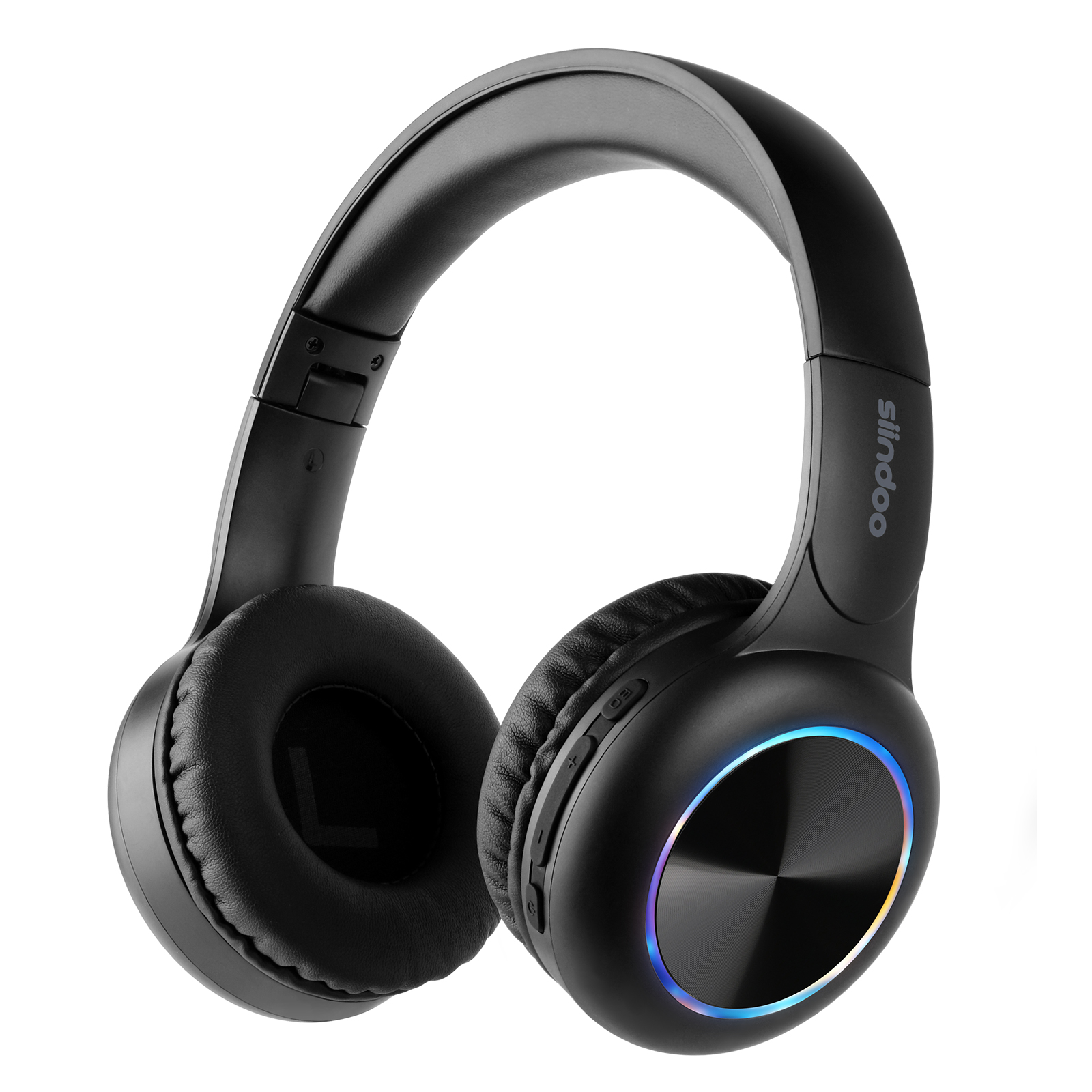
There are many different headphones on the market,so how do you choose one good and suitable headphone for yourself?
Let’s keep these scenarios in mind as we go through some of the most important features that distinguish headphones from each other to help you find the most suitable one.
Let’s keep these scenarios in mind as we go through some of the most important features that distinguish headphones from each other to help you find the most suitable one.
1. types of headphones:
On-ear, over-ear, and in-ear headphone
Possibly the most obvious characteristic of these listening devices is the way they fit on your ears and head. Here are the most common ones you’ll find today:
On-ear, over-ear, and in-ear headphone
Possibly the most obvious characteristic of these listening devices is the way they fit on your ears and head. Here are the most common ones you’ll find today:
In-ear headphones: These are your typical “earbuds” like the EarPods you get with an iPhone. Unlike the next two formats, these headphones are placed partially within each ear and can have really small drivers (a.k.a. speakers) as a result. Earbuds can be great for exercising or commuting because of their small form factor, and can even do a decent job of keeping out unwanted ambient noise.
Over-ear headphones: These are designed to fit over the entire ear. This can be great for keeping sounds from both bleeding out and coming in, but it comes at a cost. They may not be as attractive for on-the-go or athletic types due to their larger size, but will almost always be the clear winner when it comes to music production or serious listening. Examples here include Audio Technica’s M-Series and Sony’s MDR series.
On-ear headphones: These fit on top of each ear without covering them entirely. They represent a bit of both of the above worlds; they’re more portable and lighter than over-ears and usually have better overall sound quality than in-ear headphones due to larger drivers. Examples range from Grado’s SR series to pairs like the Sennheiser HD 25, which lend themselves especially well to DJing.
2. Wireless connectivity
When you get a spark of musical inspiration or see your favorite artist drop a new track, the last thing you want to do is sift through a mess of tangled cords. Wireless headphones are especially useful for those who commute or travel frequently, but can also be great at home since you can walk away from your TV or computer without losing audio. However, there are still some limitations worth considering before investing in a pair of these. Wireless transmission often means a dip in audio quality; the battery needs to stay charged, and the headphones can only be used with devices that can broadcast audio wirelessly (through something like Bluetooth, commonly along with a proprietary app). All that said, wireless headphones are becoming increasingly popular and can be found in pretty much any wear style.
Over-ear headphones: These are designed to fit over the entire ear. This can be great for keeping sounds from both bleeding out and coming in, but it comes at a cost. They may not be as attractive for on-the-go or athletic types due to their larger size, but will almost always be the clear winner when it comes to music production or serious listening. Examples here include Audio Technica’s M-Series and Sony’s MDR series.
On-ear headphones: These fit on top of each ear without covering them entirely. They represent a bit of both of the above worlds; they’re more portable and lighter than over-ears and usually have better overall sound quality than in-ear headphones due to larger drivers. Examples range from Grado’s SR series to pairs like the Sennheiser HD 25, which lend themselves especially well to DJing.
2. Wireless connectivity
When you get a spark of musical inspiration or see your favorite artist drop a new track, the last thing you want to do is sift through a mess of tangled cords. Wireless headphones are especially useful for those who commute or travel frequently, but can also be great at home since you can walk away from your TV or computer without losing audio. However, there are still some limitations worth considering before investing in a pair of these. Wireless transmission often means a dip in audio quality; the battery needs to stay charged, and the headphones can only be used with devices that can broadcast audio wirelessly (through something like Bluetooth, commonly along with a proprietary app). All that said, wireless headphones are becoming increasingly popular and can be found in pretty much any wear style.
3. Comfort and cost
The final factors to consider can vary from person to person, but are often some of the most important to consider. Comfort can truly make or break a pair of headphones, because these are going to be sitting on your head and over your ears for hours at a time. If possible, read up on what others have experienced since some headphones may feel and fit differently after being broken in for a while. Cost is always going to be another major consideration when looking for a pair of headphones, and may often come down to whatever is currently in your budget. My recommendation here would be to think again about how you’ll be using them and for what. If you exercise every day or need to produce music from a thin-walled apartment, it may be worth it to do some serious research and invest in a higher-quality product that’s been proven to last.
The final factors to consider can vary from person to person, but are often some of the most important to consider. Comfort can truly make or break a pair of headphones, because these are going to be sitting on your head and over your ears for hours at a time. If possible, read up on what others have experienced since some headphones may feel and fit differently after being broken in for a while. Cost is always going to be another major consideration when looking for a pair of headphones, and may often come down to whatever is currently in your budget. My recommendation here would be to think again about how you’ll be using them and for what. If you exercise every day or need to produce music from a thin-walled apartment, it may be worth it to do some serious research and invest in a higher-quality product that’s been proven to last.